CASE STUDY:
Australian Open 2026
Australia’s largest annual sporting event trials off site washing of reusable cups and dishes for site wide scalability.
The Australian Open (AO) is Australia's largest annual sporting event, held in January at Melbourne Park.
The 2026 tournament ran from 12 January to 1 February, attracting a record 1,150,444 attendees across 21 days of tennis and entertainment.
The event operated across a sprawling multi-venue precinct, with dozens of food and beverage outlets, multiple sponsor activations, and a complex network of caterers, cleaners, waste managers and brand partners, all of whom must be aligned for any sustainability initiative to succeed.
Results of Australian Open 2026 Reuse System.
81,218
total reusable items washed
504
kg of single-use waste avoided
16
off site washing days
Want to dig into the detail? Get the full case study here.
Reusables in Previous Years…
While the AO had run reusables programs in selected areas of the precinct in previous years, these earlier efforts highlighted the operational complexity required to scale a reuse system across the full site.
Prior to 2026, on site washing was managed by Green My Plate (GMP) with wash stations returning clean reusable cups and food dishes back to the selected bars and food vendors.
The scale and complexity of the Australian Open presents specific barriers to a reusables program.
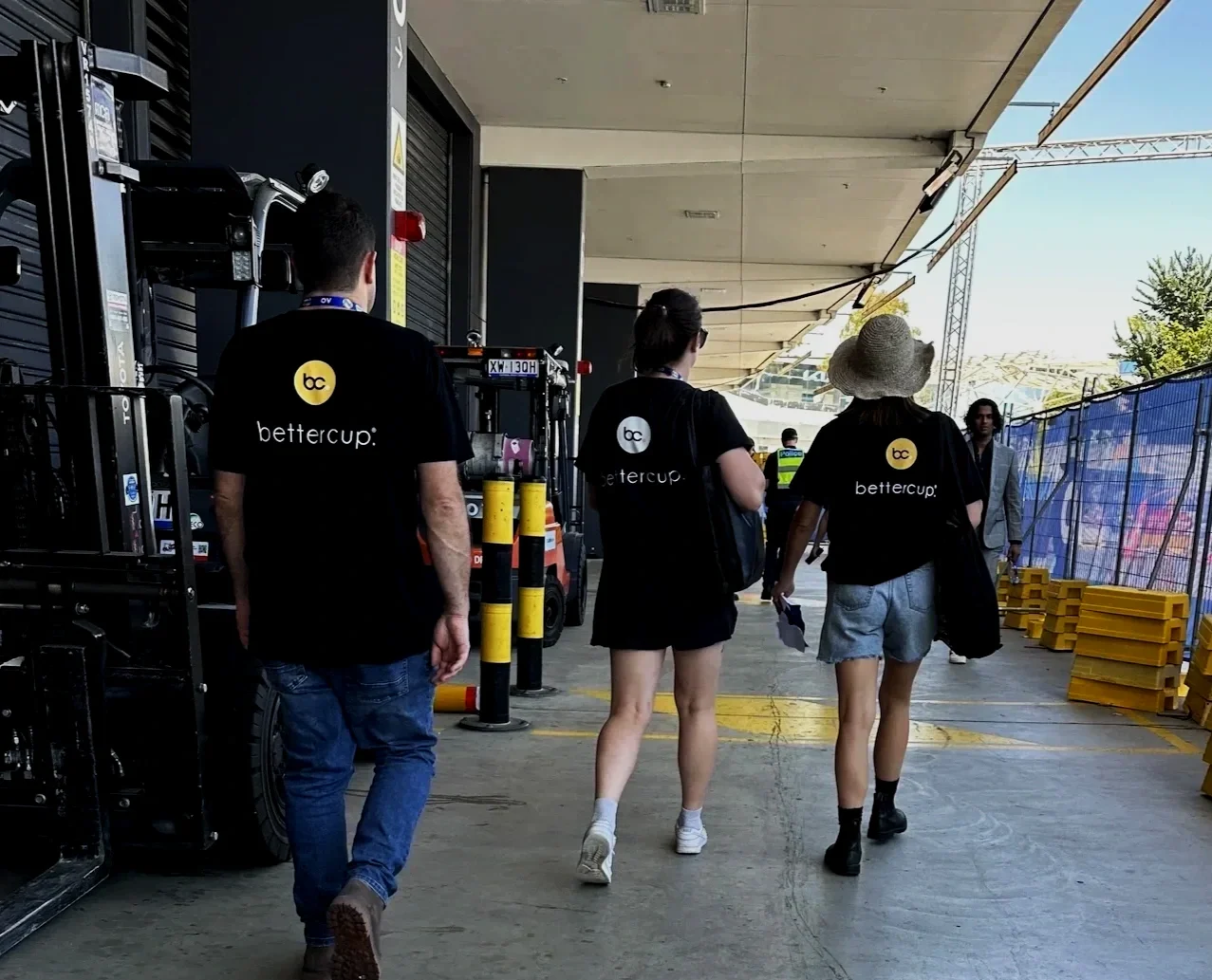
In 2026, bettercup collaborated with Green My Plate to implement a trial of off site washing.
The goal was to test the viability of the off site washing model and gather real operational data, enabling a clear roadmap for expansion in future years.
A New Approach.
REUSABLE PRODUCT MIX AND LOCATIONS.
The following reusable products were supplied in 2026:
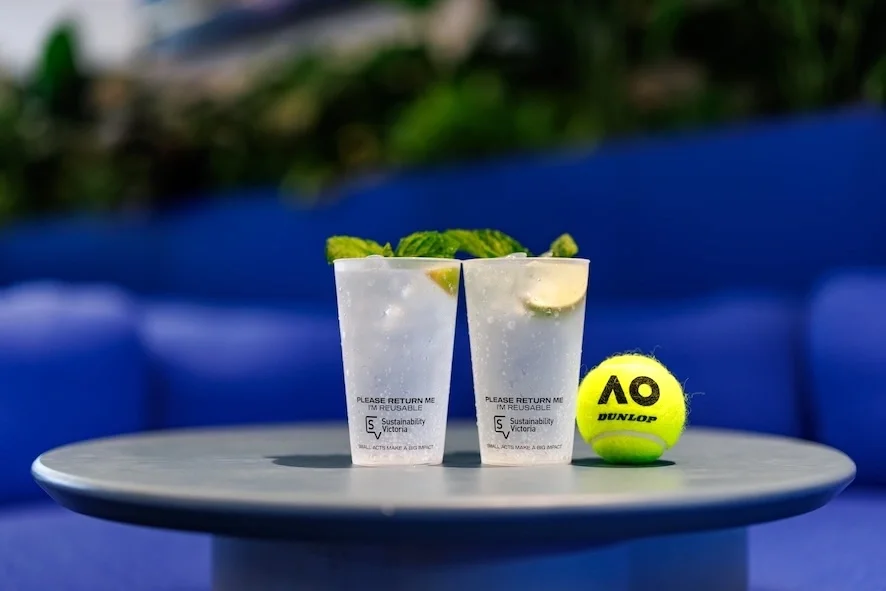
54,000 bettercup reusable cups in different designs.
5,100 betterdish reusable food dishes.
6,820 small and large bowls supplied by Green My Plate.
17,500 cups from another supplier for a specific beverage retailer.
The reusable products were used at one food outlet and across multiple bars at the Garden Square precinct.
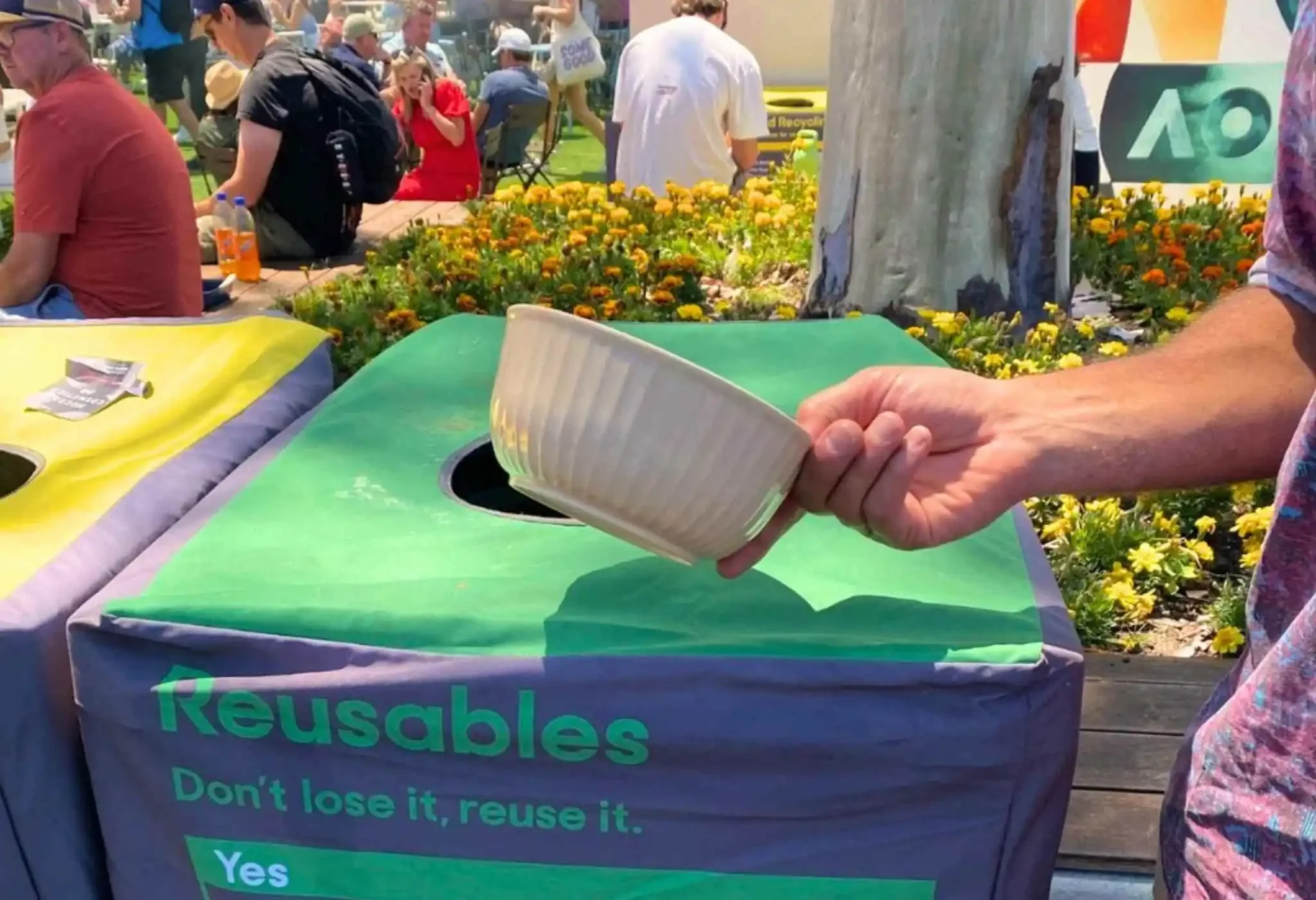
Photo courtesy of Green My Plate | @greenmyplate.
COLLECTION AND WASHING LOGISTICS.
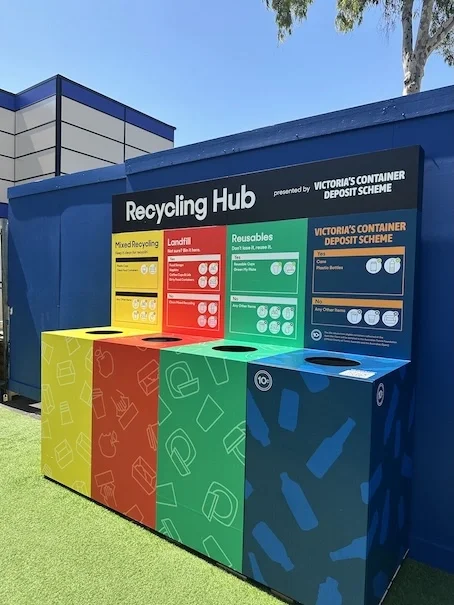
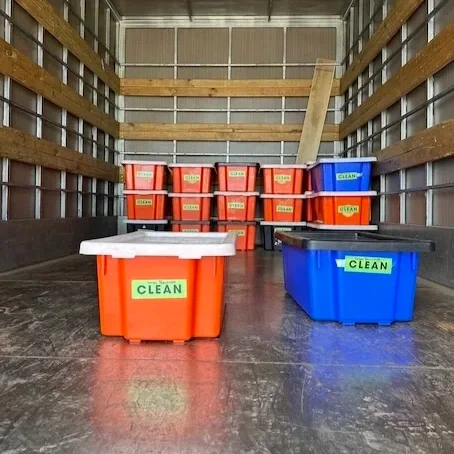
Cups and foodware were collected in specific reusables bins within Garden Square. Cleaning staff collected the items left around the site, and general waste and recycling were sorted to catch any additional reusable items that ended up in those streams.
The Green My Plate team then collected the items, scraped food debris and consolidated the products into tubs to be transported off site for washing.
Collection
Green My Plate collects, scrapes and packs reusable food bowls and dishes and dirty reusable cups on site each day.
↓

Transport
The bettercup truck collected tubs of dirty reusables from the AO and delivered them to the wash hub each morning.
↓

Wash
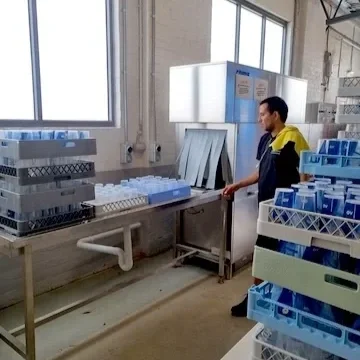
Staff unloaded the truck, sorted, washed, dried and repacked clean reusable items on the truck each day.
↓

Deliver
Clean items were delivered to the AO the following morning by bettercup, and distributed to the bars and food outlet by Green My Plate.
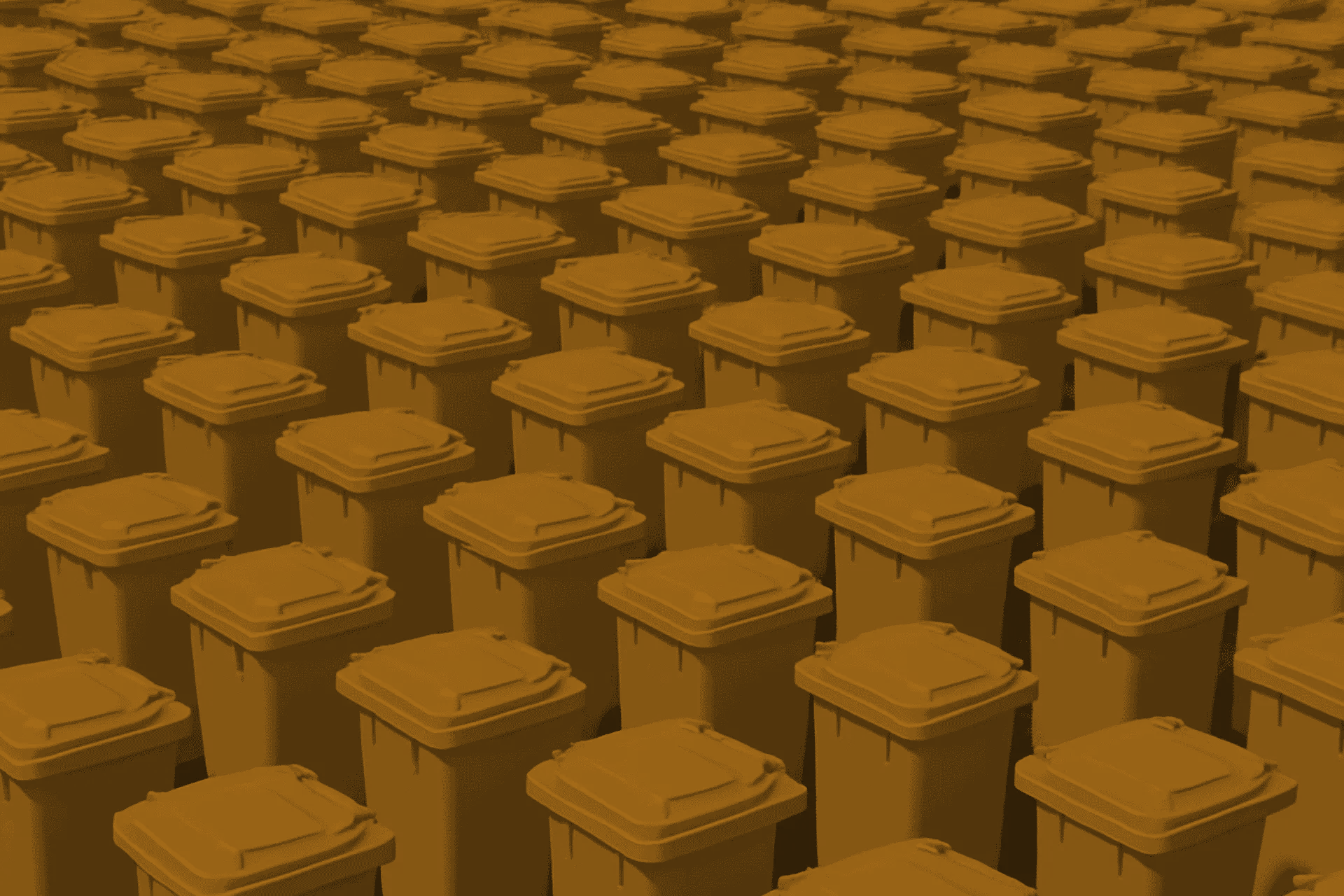
504kg of waste diverted
=
76 wheelie bins worth of waste!
Trialling the new off site washing process during a three week event gave measurable insights into the increased capability of bettercup’s wash hub, as well as revealing some unexpected challenges. Read the full PDF case study here for more detail.
The 2026 trial demonstrated that off site washing is viable and established a daily logistics model that can be built on.
Looking to 2027, the key focus areas are:
Insights.
Expanding the number of outlets and vendor areas covered by reusables.

Exploring split washing models - on site for foodware, off site for cups - to increase reusables footprint

Improving signage, return point placement and patron communication across the precinct.

Standardising reusable products to streamline washing and logistics operations.

Engaging with the complex array of stakeholders, ensuring understanding, support and alignment.